Willka Sacred Seed
willka
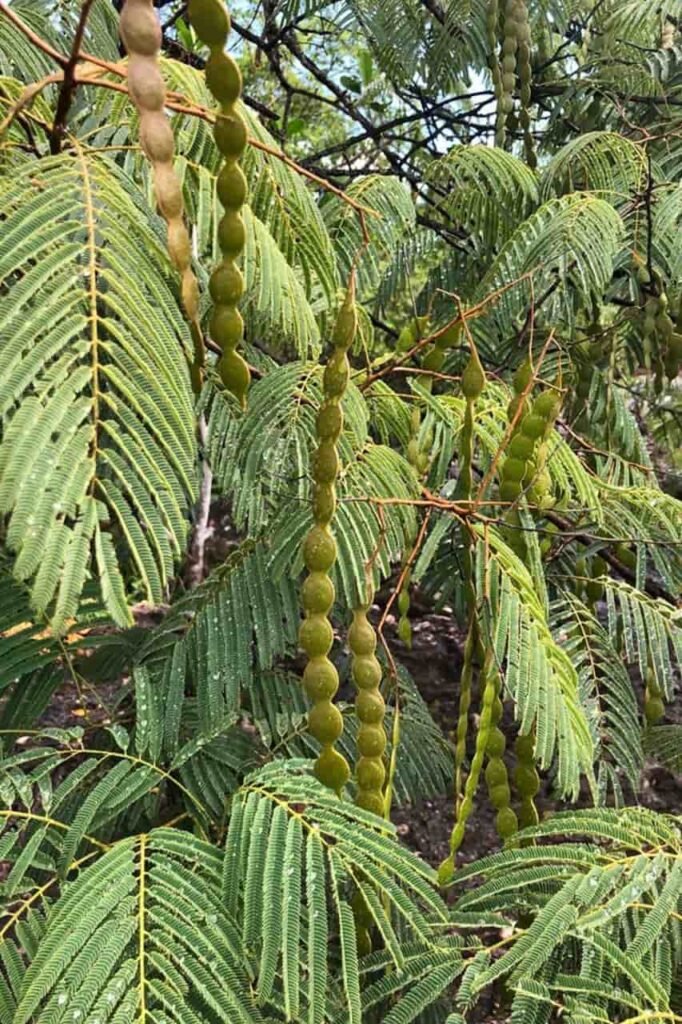
Anadenanthera colubrina, commonly known as willka, vilca, cebil, or curupay, is a South American tree of the Fabaceae family (5-30 m tall) with conical thorns. Its seeds contain powerful tryptamine alkaloids (bufotenine, 5-MeO-DMT, DMT), these seeds are the ayahuasca of the Inca and Tiwanaku cultures, used ancestrally by Andean peoples as a visionary entheogen and in traditional medicine, in addition to having medicinal uses for respiratory ailments and as an antifungal.
Main characteristics and uses:
Ceremonial and Psychotropic Use: The seeds are traditionally consumed after being roasted and ground, often inhaled as snuff (or snuff) or used in infusions to access altered states of consciousness in cleansing or healing rituals, with a history of use spanning nearly 4,000 years in the southern Andes.
Chemical Composition: It contains bufotenine, 5-MeO-DMT, and DMT, psychedelic compounds that act as analgesics and visionaries.
Medicinal Use: It is used in traditional medicine as an expectorant, analgesic, and to treat diarrhea and fungal infections.
the ceremony with the seeds lasts from 40 minutes to 1 hour, after the effect the initiate feels a release of a huge amount of stress, it makes you feel lighter and connected with yourself, it energizes you and gives strength, the seeds reconnects you with your physical self, restores your intuition and clears the mind, opens the way for the flow of energy between the heart and the mind, a series of experiences with the Willca gives us a greater understanding of the Inca culture.
Tree and Wood: It is a tree with a thorny gray trunk that produces white flowers. Its wood is very resistant, used for posts, luxury flooring, fences, and construction, and is immune to termites.
Cultural Significance: Known since pre-Hispanic times, it was used by Yatiri (healers) to receive messages and is considered an offering to the earth.
It differs from yopo (Anadenanthera peregrina) mainly in the size of its pods and the presence of regular constrictions around each seed in the case of A. colubrina.